




Submitted by Johnny on
Understanding Cannabis Seeds: Your Cultivation Journey.
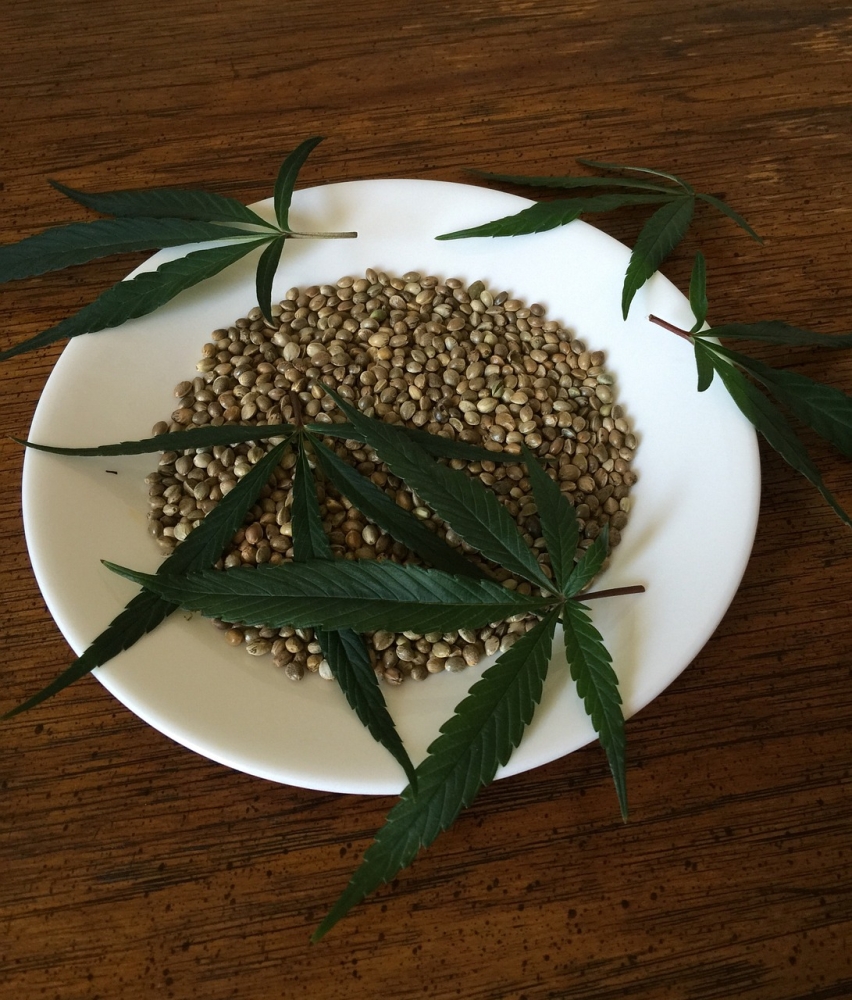
As I embark on my cannabis seeds cultivation journey, understanding the seeds is pivotal. Cannabis seeds are not merely the starting point of growth; they are the essence of what my entire cultivation experience will be. The choices I make now will influence not only the quality of the plants but also the yield and the overall success of my efforts.
Each seed carries genetic information that determines various characteristics of the plant, including its growth pattern, potency, and resilience. Therefore, the first step in selecting the right seeds involves familiarising myself with the different types available on the market. I find it essential to delve into the specifics of each type, as this knowledge will guide my decisions and set the foundation for my cultivation adventure.
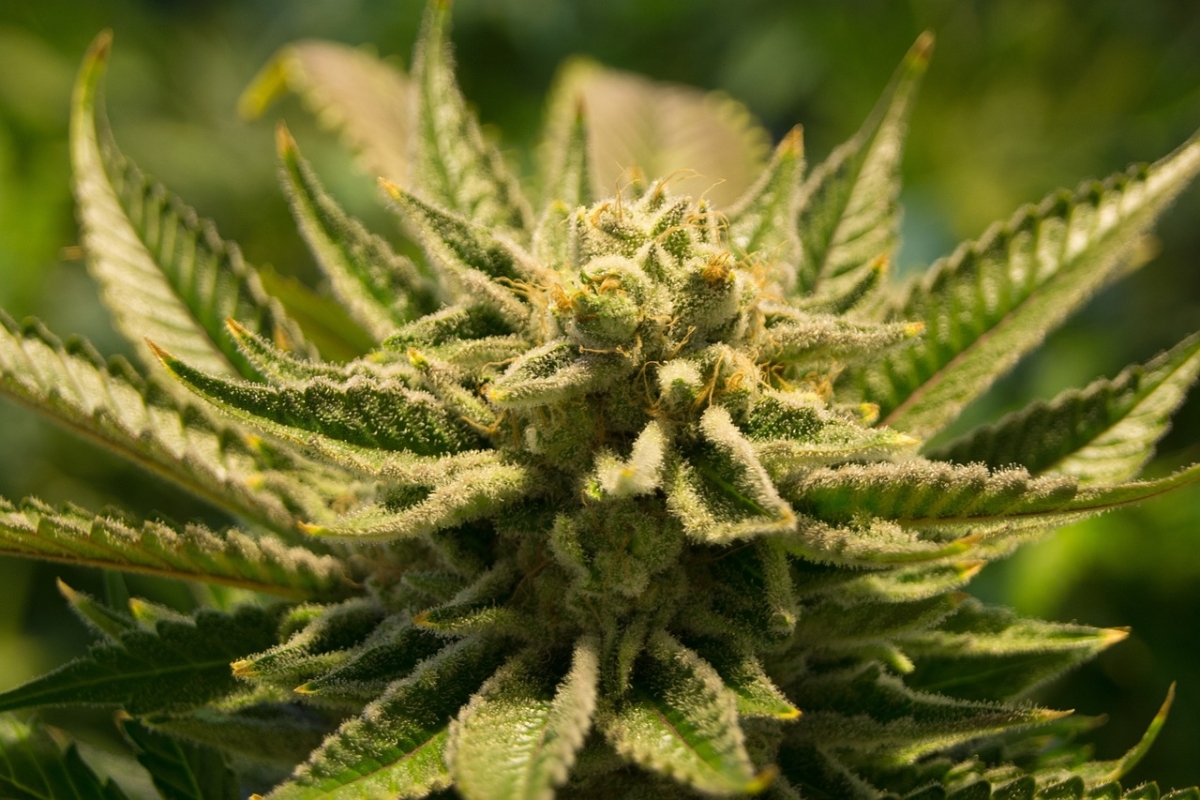
Furthermore, the seed's genetic lineage provides insights into its characteristics, which is crucial for achieving my desired outcomes. By understanding what I’m planting, I can better prepare for the cultivation process, ensuring that I create an optimal environment for my plants to thrive.
Genetic Lineage: Decoding the Importance of Strain Heritage.
The genetic lineage of cannabis seeds plays a significant role in determining the plant’s characteristics. When I select cannabis seeds, I pay close attention to their strain heritage, as this can influence everything from flavour profile to growth habits. Cannabis strains can be broadly categorised into three groups: Indica, Sativa, and Hybrid. Each category has its unique traits, which can significantly affect the final product.
Indica strains are known for their relaxing effects and are often sought after for their medicinal properties. Sativa strains, on the other hand, tend to provide uplifting and energising effects, making them ideal for daytime use. Hybrids offer a blend of both Indica and Sativa characteristics, allowing for a tailored experience that can suit various preferences and needs. Understanding these distinctions helps me choose the right seeds that align with my desired outcome.
Additionally, the lineage can shed light on potential challenges I may face during cultivation. For example, some strains are more resistant to pests and diseases, while others might require specific environmental conditions. By decoding the genetic heritage of the seeds I choose, I can better strategise my cultivation approach, ensuring that I provide the best care for my plants.
THC and CBD Content: Balancing Potency and Therapeutic Benefits.
One of the most critical factors to consider when selecting cannabis seeds is the balance of THC (tetrahydrocannabinol) and CBD (cannabidiol) content. THC is the psychoactive compound responsible for the "high" associated with cannabis, while CBD is non-psychoactive and has been praised for its therapeutic benefits.
As I evaluate different seed options, I consider my goals for cultivation. If I seek a recreational experience, I might lean towards strains with higher THC levels. Conversely, if I’m focusing on medicinal benefits, I would opt for seeds with a higher CBD content. Striking the right balance between these two compounds can significantly enhance the effectiveness of the cannabis I cultivate.
Moreover, I must also consider the entourage effect, which is the synergy between cannabinoids and terpenes. The combination of different compounds can create a more potent and holistic experience. By selecting seeds with a well-rounded cannabinoid profile, I can ensure that my plants will provide the desired effects and benefits.
Indica, Sativa, or Hybrid: Choosing the Right Type for Your Needs.
Choosing the right type of cannabis seeds—Indica, Sativa, or Hybrid—depends on my individual needs and preferences. Each type offers distinct benefits that can cater to various experiences or therapeutic applications.
Indica strains are typically known for their calming effects, making them suitable for relaxation and stress relief. They often have a higher CBD content, which can be beneficial for those seeking pain relief or sleep aid. If my goal is to unwind after a long day, I would consider selecting an Indica strain.
Sativa strains, in contrast, tend to provide an energising experience, often associated with creativity and social interactions. If I’m looking for a boost in mood or motivation, a Sativa strain would be more aligned with my needs. Additionally, Sativa strains are often preferred during the daytime, as they can enhance focus and productivity without the heaviness that some Indica strains might bring.
Hybrid strains present a versatile option, combining the traits of both Indica and Sativa. This flexibility allows me to tailor my selection based on the specific effects I desire. By understanding the differences between these strain types, I can make an informed decision that best suits my cultivation goals.
Feminised vs Regular Cannabis Seeds: Weighing the Pros and Cons.
When it comes to choosing between feminised and regular cannabis seeds, I find it essential to weigh the pros and cons of each option. Feminised cannabis seeds are bred to produce only female plants, which are the ones that generate the coveted flowers. This means that I can maximise my yield without the worry of male plants, which can pollinate and ruin the quality of my crop.
However, feminised cannabis seeds can be more expensive compared to regular seeds. Additionally, there can be some concerns regarding genetic stability. While feminised seeds are generally reliable, there is still a small chance that I might encounter hermaphrodite plants, which can affect my overall yield and quality.
Regular seeds, on the other hand, produce both male and female plants. While this can lead to a mix of plants, it also offers the opportunity to breed new strains. If I’m interested in creating my own hybrids or exploring different genetic combinations, regular seeds might be the better choice. Ultimately, my decision will depend on my specific cultivation goals and whether I prefer a straightforward approach or enjoy experimenting with genetics.
Autoflowering Cannabis Seeds: A Game-Changer for Novice Growers?
Autoflowering cannabis seeds have emerged as a game-changer for novice growers like me. These seeds transition from the vegetative stage to the flowering stage automatically, regardless of the light cycle. This trait simplifies the growing process, making it more accessible for beginners who may not yet fully understand the intricacies of light management.
One of the key advantages of autoflowering seeds is their rapid growth cycle. Many autoflowering strains can be ready to harvest in as little as 8 to 10 weeks from germination. This quicker turnaround allows me to enjoy the fruits of my labour sooner and potentially grow multiple harvests in a single season.
Moreover, autoflowering plants tend to be smaller and more compact, making them ideal for limited spaces or discreet growing. However, I must also consider that while they may be easier to grow, autoflowering strains often yield less compared to their photoperiod counterparts. Balancing the pros and cons helps me determine if autoflowering seeds are suitable for my cultivation needs.
Yield Potential: Maximising Your Harvest.
When selecting cannabis seeds, yield potential is a critical consideration. The amount of cannabis I can harvest from a single plant depends on various factors, including genetics, cultivation methods, and environmental conditions. By choosing high-yielding strains, I can maximise my harvest and ensure that my efforts pay off.
Some strains are specifically bred for high yields, and understanding the characteristics of these strains can guide my selection process. For instance, Indica varieties are often known for their bushy growth and abundant flowers, while certain Sativa strains can produce taller plants with longer flowering times.
To maximise yield, I also focus on my cultivation techniques. Factors such as nutrient management, watering schedules, and training methods can significantly impact the final yield. By combining the right seed selection with effective cultivation practices, I can optimise my harvest and enjoy a bountiful yield.
Climate Compatibility: Selecting Cannabis Seeds Suited to Your Environment.
Climate compatibility is another crucial factor when choosing cannabis seeds. Different strains thrive in varying environmental conditions, and understanding the climate in which I cultivate is essential for success.
For instance, some strains prefer warmer climates with extended sunlight, while others are more resilient to cooler temperatures. If I live in a region with a short growing season, I might consider selecting fast-flowering or autoflowering strains that can mature quickly. Conversely, if I have a longer growing season, I can explore a wider variety of strains.
Moreover, humidity and rainfall levels can also impact the health of my plants. Strains that are resistant to mould or pests may be more suitable for humid environments, while those that thrive in dry conditions might be better for arid climates. By selecting seeds that are well-suited to my local climate, I can enhance the chances of a successful and fruitful harvest.
Resistance to Pests and Diseases: Ensuring a Robust Crop.
When choosing cannabis seeds, resistance to pests and diseases is a vital consideration for ensuring a robust crop. Many factors can affect the health of my plants, and selecting strains that are naturally resistant can save me time, effort, and resources.
Certain cannabis strains have been specifically bred for their resilience against common pests and diseases. For example, some strains demonstrate greater resistance to powdery mildew or root rot, which can be particularly problematic in certain growing conditions. By incorporating these resilient strains into my garden, I can reduce the risk of infestations and diseases that could threaten my crop.
In addition to selecting resistant strains, I also employ preventative measures to protect my plants. This includes maintaining optimal growing conditions, using organic pest control methods, and practising good hygiene in my growing area. By combining these strategies with the right seed selection, I can create a thriving environment for my cannabis plants.
Reputable Seed Banks: The Importance of Trustworthy Sources
When selecting cannabis seeds, I cannot underestimate the importance of sourcing them from reputable seed banks. The quality and reliability of seeds can vary significantly between suppliers, and choosing a trustworthy source is essential for ensuring that I receive high-quality seeds.
Reputable seed banks often provide detailed information about their strains, including genetic lineage, THC and CBD content, and cultivation requirements. This transparency allows me to make informed decisions and select seeds that align with my goals. Additionally, established seed banks often have positive customer reviews and a track record of customer satisfaction, which further assures me of their reliability.
Moreover, purchasing seeds from reputable sources can help avoid potential legal issues. Cannabis cultivation is subject to various regulations, and obtaining seeds from a trusted seed bank ensures that I am compliant with local laws. By prioritising reputable seed banks, I can have confidence in my seed selection and focus on cultivating my plants successfully.
Legal Considerations: Navigating the Regulatory Landscape in the UK.
Navigating the legal landscape surrounding cannabis cultivation in the UK is essential for any grower. As I explore my options for cannabis seeds, I must be aware of the regulations governing their cultivation and use. In the UK, cannabis is classified as a controlled substance, and specific laws apply to its cultivation, distribution, and possession.
It is crucial for me to understand the legal implications of growing cannabis, including the limits on personal cultivation and the penalties for non-compliance. As of now, I can legally cultivate cannabis for medicinal purposes with a valid prescription. However, growing cannabis seeds for recreational use remains illegal, which is a critical consideration when selecting seeds.
By staying informed about the legal framework, I can make responsible choices in my cultivation journey. Consulting legal resources or local authorities can provide valuable insight into the regulations that govern cannabis cultivation in my area, ensuring that I remain compliant while enjoying the benefits of growing my own plants.
Price vs Quality: Striking the Right Balance for Your Budget.
Finding the right balance between price and quality is a significant consideration when selecting cannabis seeds. While it may be tempting to opt for the cheapest seeds available, investing in high-quality seeds can ultimately lead to a more successful cultivation experience.
Higher-quality seeds often come from reputable breeders who prioritise genetic stability and resilience. These cannabis seeds are more likely to produce healthy plants with desirable traits, resulting in a better yield and overall quality. On the other hand, cheaper cannabis seeds may lack the same level of care and attention, potentially leading to issues down the line.
As I assess my budget, I consider the long-term benefits of investing in quality cannabis seeds. While the initial cost may be higher, the potential for increased yield and better quality cannabis seeds can outweigh the savings from purchasing inferior seeds. By striking the right balance between price and quality, I can ensure that my investment in cannabis cultivation pays off.
Germination Rates: Ensuring Viability and Value for Money.
Germination rates are a crucial aspect to consider when selecting cannabis seeds, as they directly impact the viability and value for money. A high germination rate indicates that the seeds are healthy and have a greater likelihood of sprouting into viable plants.
When purchasing seeds, I pay attention to the germination rates provided by the seed bank. Reputable suppliers often offer guarantees or statistics on their seed germination rates, giving me confidence in the quality of their products. A higher germination rate means that I can expect more successful plants from my seed selection, ultimately leading to a better harvest.
Additionally, understanding the germination process and ensuring that I provide the right conditions for my seeds is vital. Factors such as temperature, moisture, and light can all influence germination. By optimising these conditions and selecting seeds with high germination rates, I can maximise the chances of success in my cultivation efforts.
Conclusion: Making an Informed Decision for Successful Cannabis Seeds Cultivation.
In conclusion, choosing high-quality cannabis seeds involves a careful consideration of various factors. From understanding genetic lineage to evaluating THC and CBD content, it’s essential to make informed decisions that align with my cultivation goals.
As I navigate this journey, I recognise the importance of selecting the right type of cannabis seeds, whether they are feminised, regular, or autoflowering. By prioritising yield potential, climate compatibility, and resistance to pests, I can create an environment conducive to thriving plants.
Moreover, sourcing seeds from reputable seed banks and remaining aware of legal considerations in the UK will provide me with peace of mind as I embark on this adventure. Ultimately, by balancing price and quality and ensuring high germination rates, I can set myself up for a successful cannabis cultivation experience.
If you're ready to start your cannabis cultivation journey, I encourage you to explore trusted seed banks and begin your research on the strains that best suit your needs. Your adventure awaits!

